

Category: Shoreham-by-Sea
-
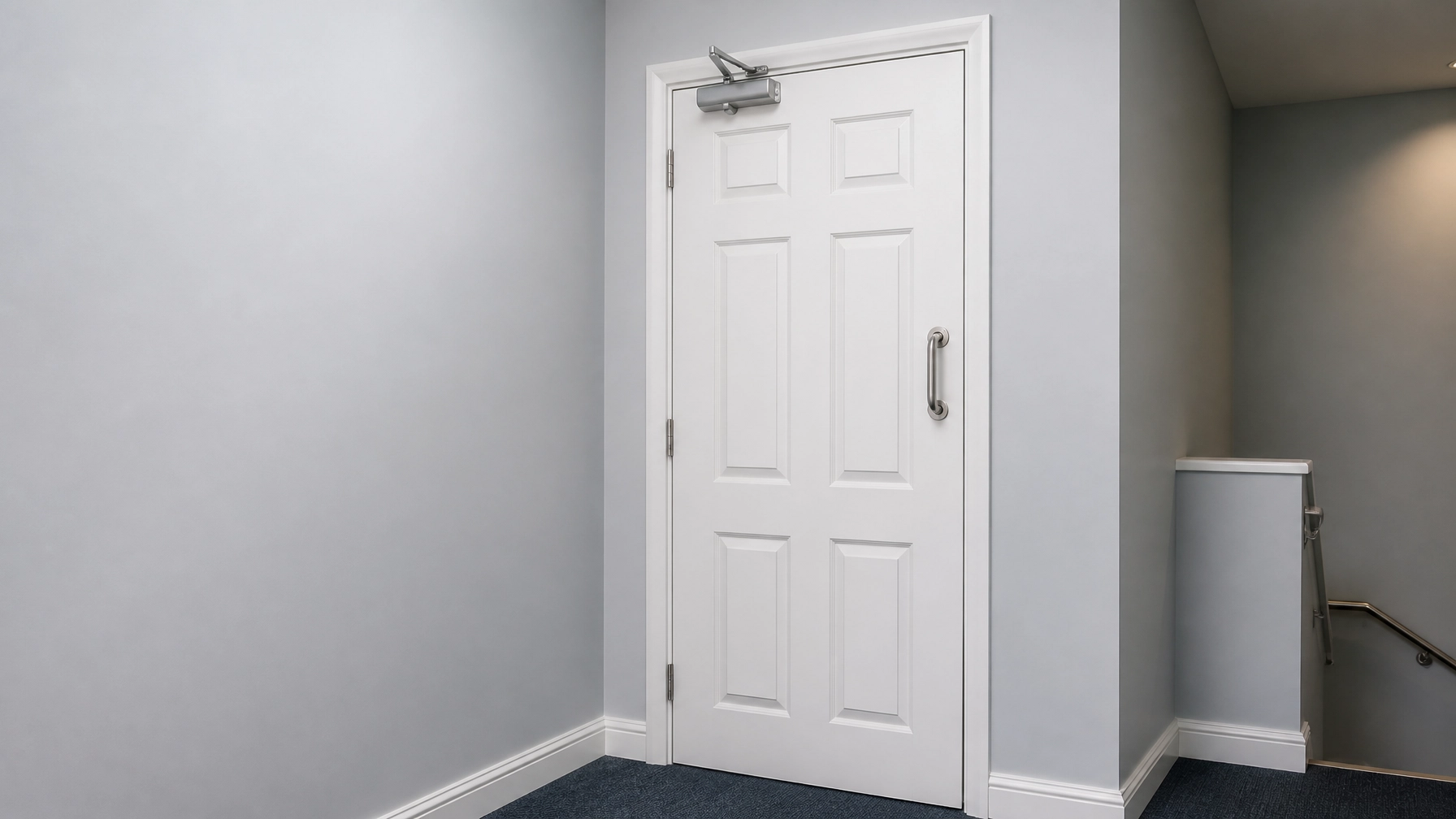
GET A FREE QUOTE 1. Clarify the New Compliance Question A refurbishment can improve a property while creating new fire-safety questions. Loft conversions, extensions, flooring, decorating, rewiring, access-control changes, plumbing, kitchen refits and frame alterations can all affect a fire door or the escape strategy around it. The key issue is that a fire door…
-
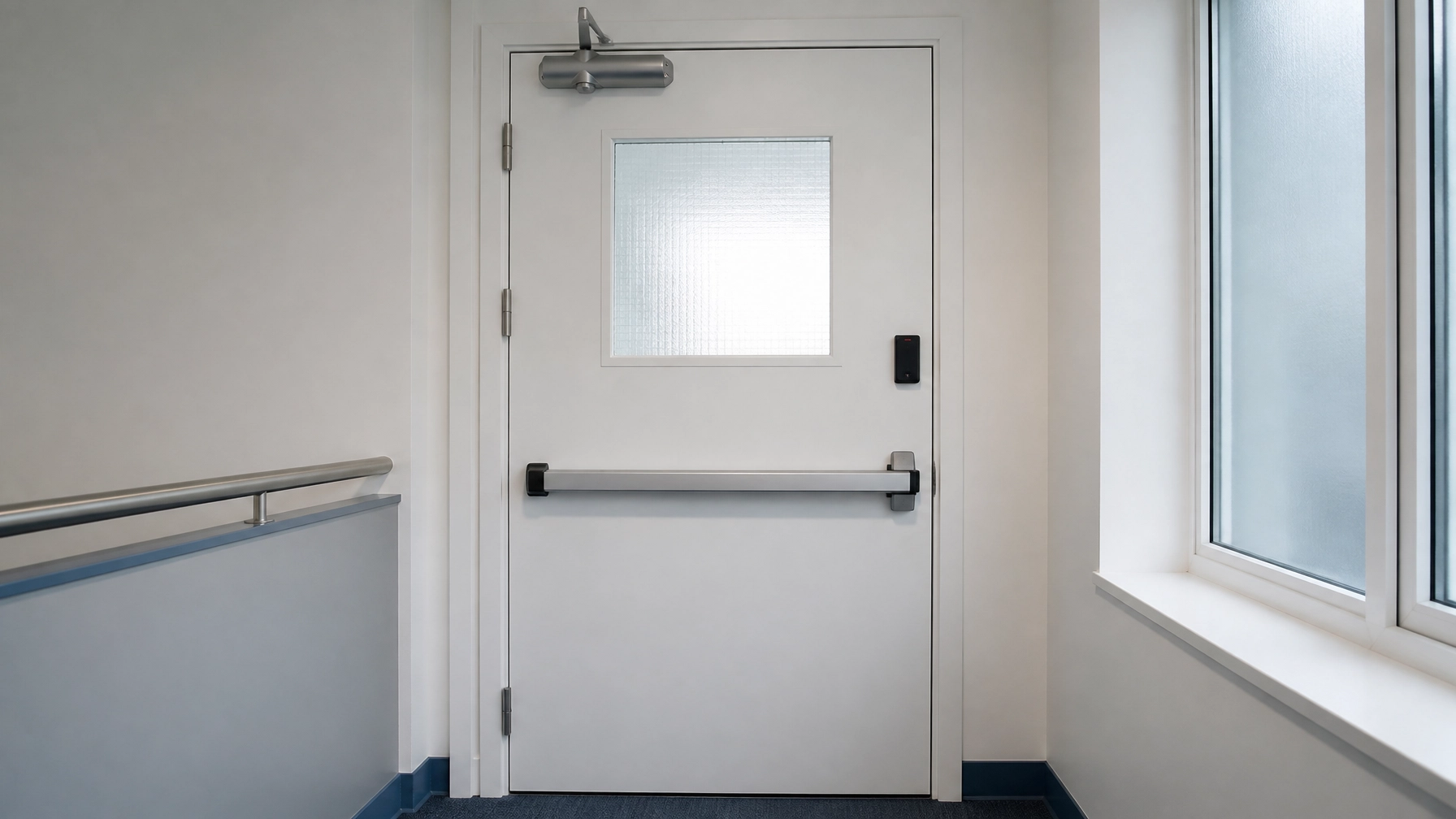
GET A FREE QUOTE Key Takeaways Coordinate access control, locks, closers and privacy hardware with the complete fire-rated doorset. Ensure escape remains immediate, simple and available without a key, card, code or specialist knowledge. Treat electronic locks, hold-open devices and access-control changes as part of the fire strategy, not isolated security upgrades. Use qualified FRA…
-
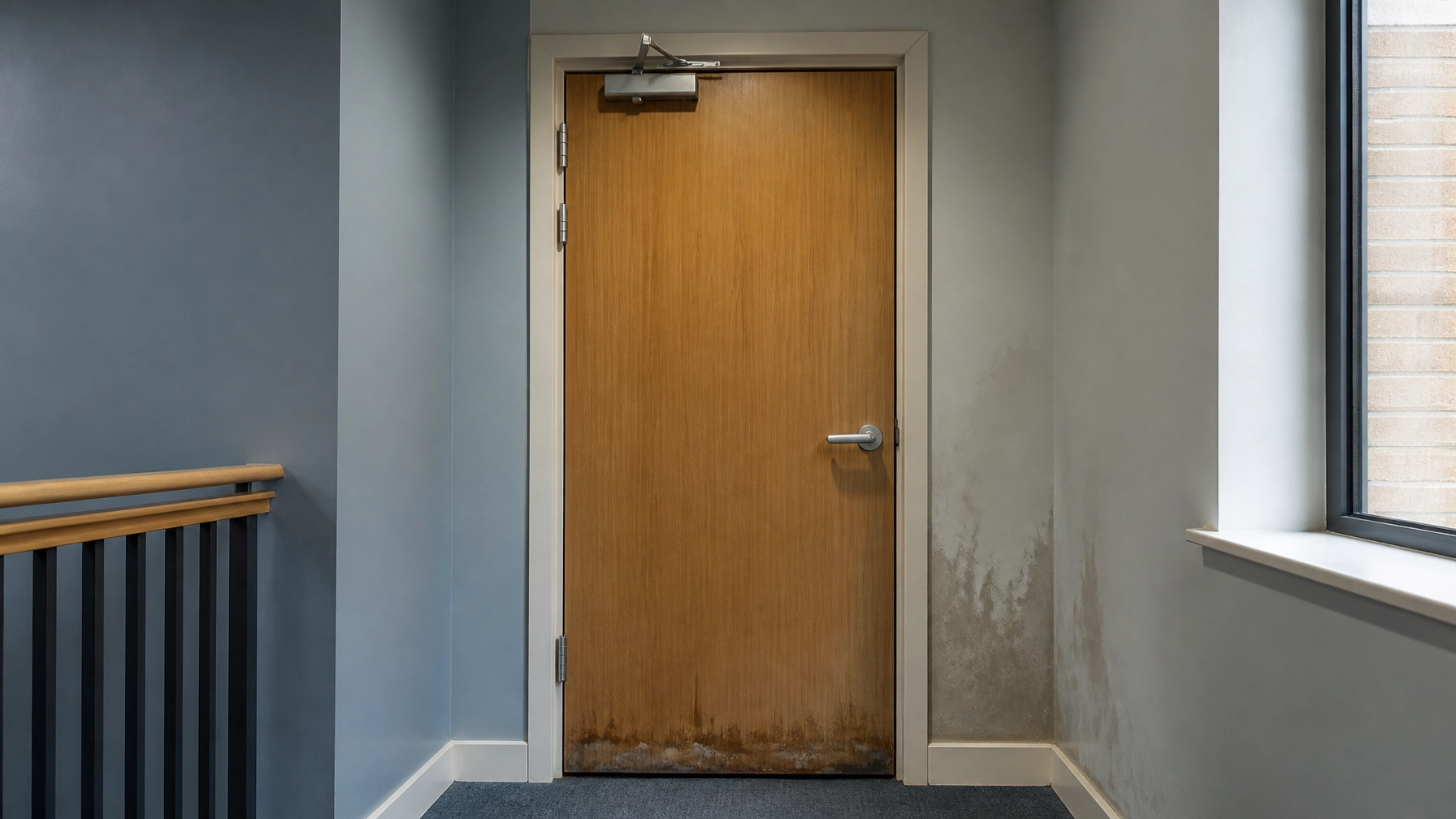
GET A FREE QUOTE Water damage can affect far more than the appearance of a fire door. Leaks, flooding, damp, condensation and cleaning chemicals may alter the door leaf, frame, seals, hinges, closer and surrounding construction. These changes can prevent the complete doorset from performing as intended. For landlords, sellers, HMO investors, flat managers, B&B…
-
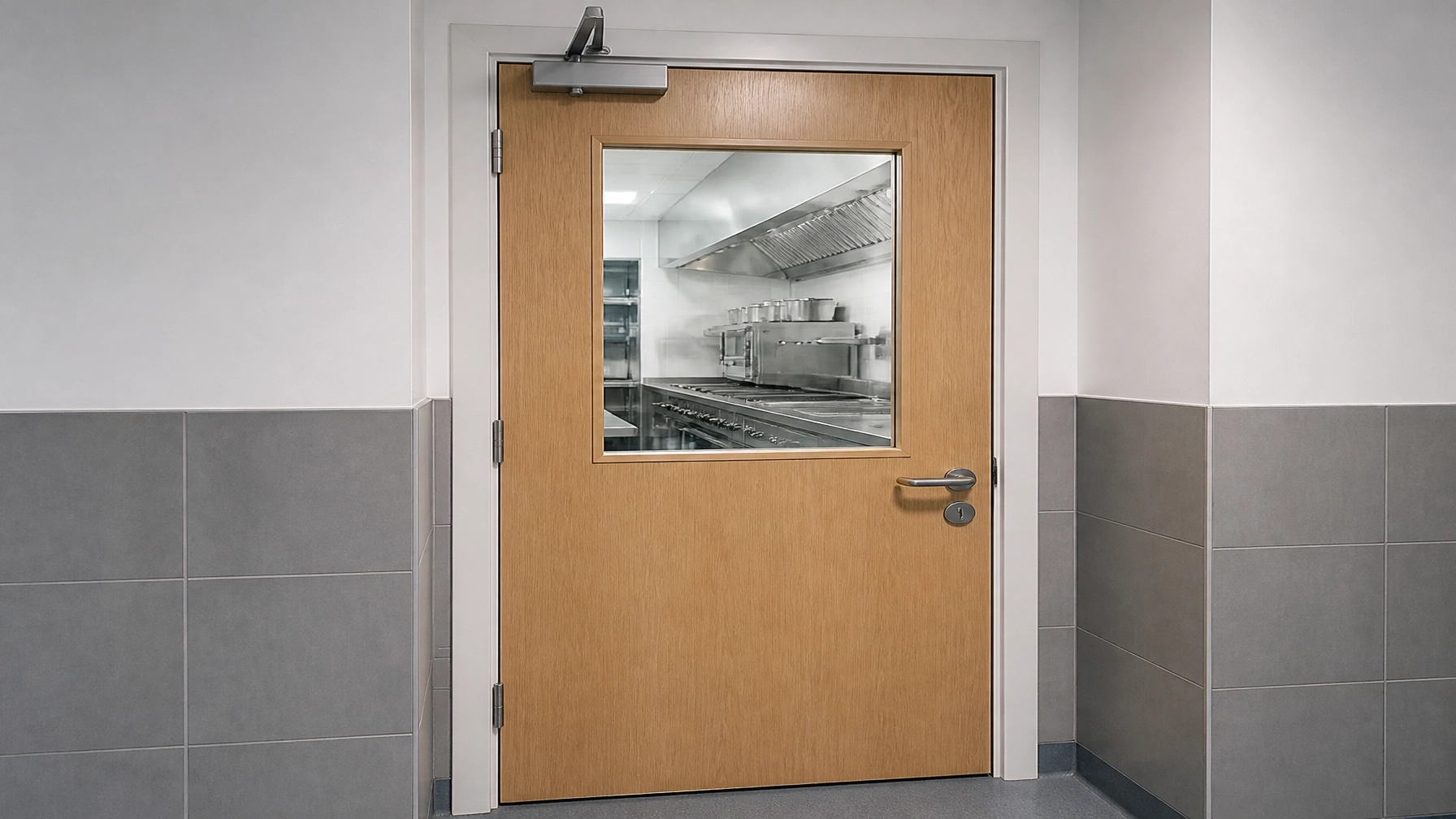
GET A FREE QUOTE 1. Protect People with the Right Fire-Door Strategy Commercial kitchens create a different fire risk from dining areas, offices and storage rooms. Cooking appliances, extraction systems, hot surfaces, packaging, oils and waste all influence how fire and smoke could develop within a building. However, not every restaurant kitchen requires the same…
-
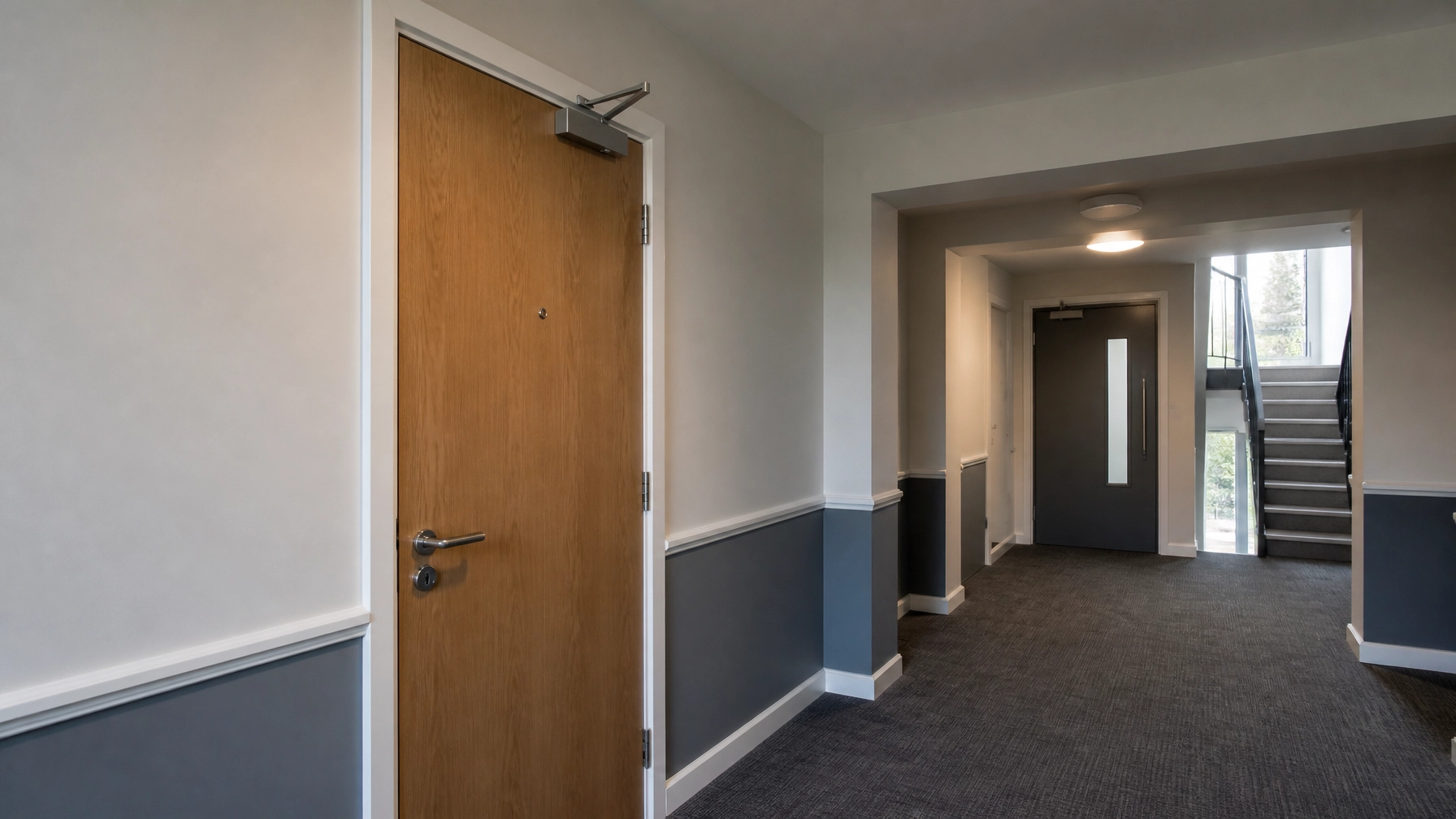
GET A FREE QUOTE Flat entrance fire doors sit at the boundary between private accommodation and shared escape routes. That boundary can make responsibility difficult to interpret, particularly where a building involves leaseholders, freeholders, residents’ management companies, landlords and managing agents. The safest approach is to clarify responsibilities through the lease, management agreement, building fire…
-
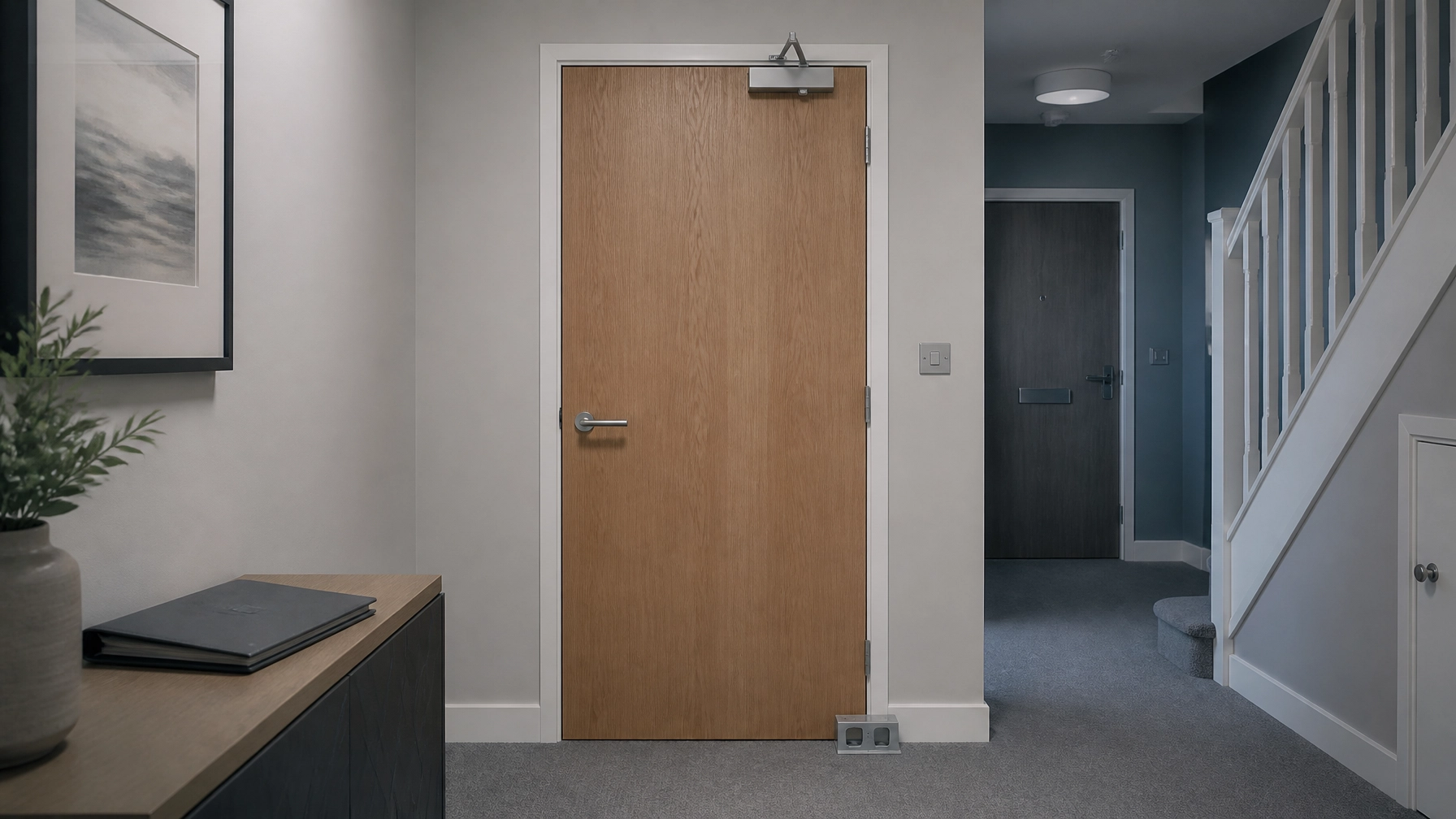
GET A FREE QUOTE A professional fire door survey can help sellers identify the location, condition and supporting evidence for relevant fire doors before marketing a property or entering conveyancing. It can also clarify whether proportionate repairs, upgrades or new installation work may be required. A fire-door query does not automatically stop a sale. However,…
-
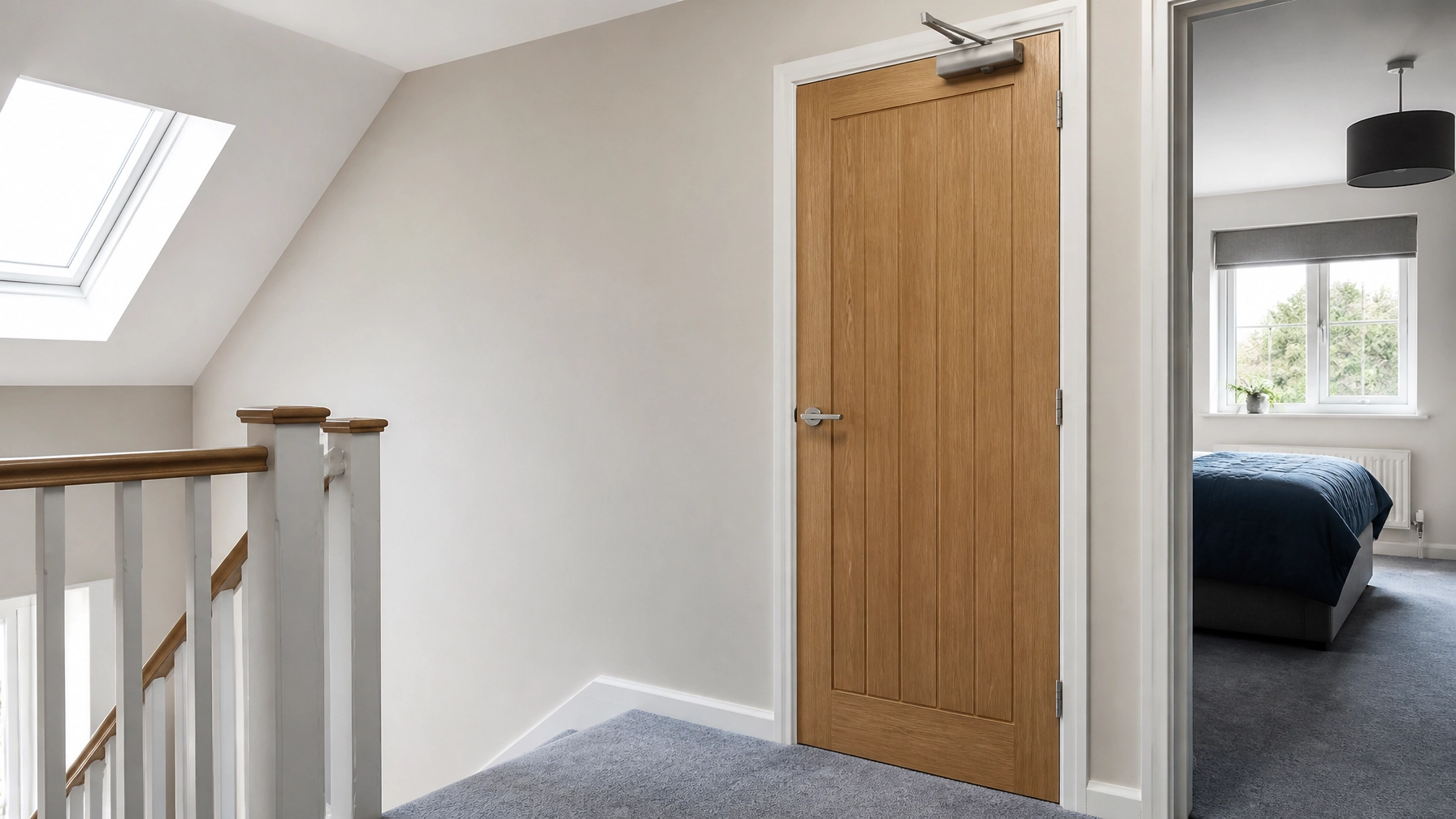
GET A FREE QUOTE A loft conversion, additional bedroom or HMO layout can change how people move through a building during an emergency. New stair routes, shared kitchens, internal subdivisions and higher occupancy may all affect the property’s fire strategy. The correct fire-door specification depends on the building’s design, use, construction, escape arrangements and Fire…
-
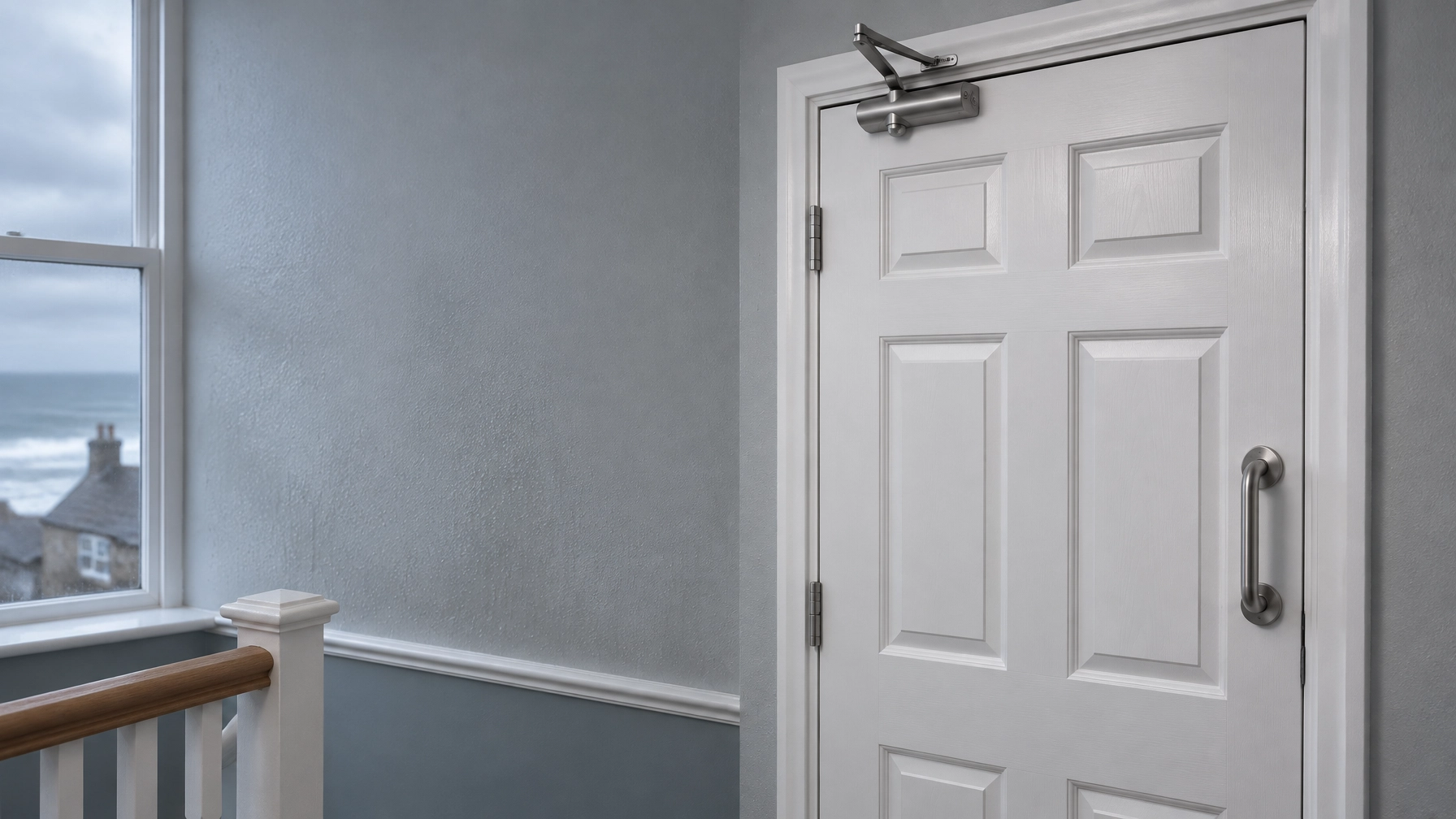
GET A FREE QUOTE Salt air, humidity and sea spray can quietly weaken fire door hardware. Discover how coastal conditions affect hinges, closers, seals, fixings and frames, and why professional surveys are essential for maintaining compliance. Coastal properties experience environmental conditions that can accelerate the deterioration of fire door components. Salt particles carried in the…
-
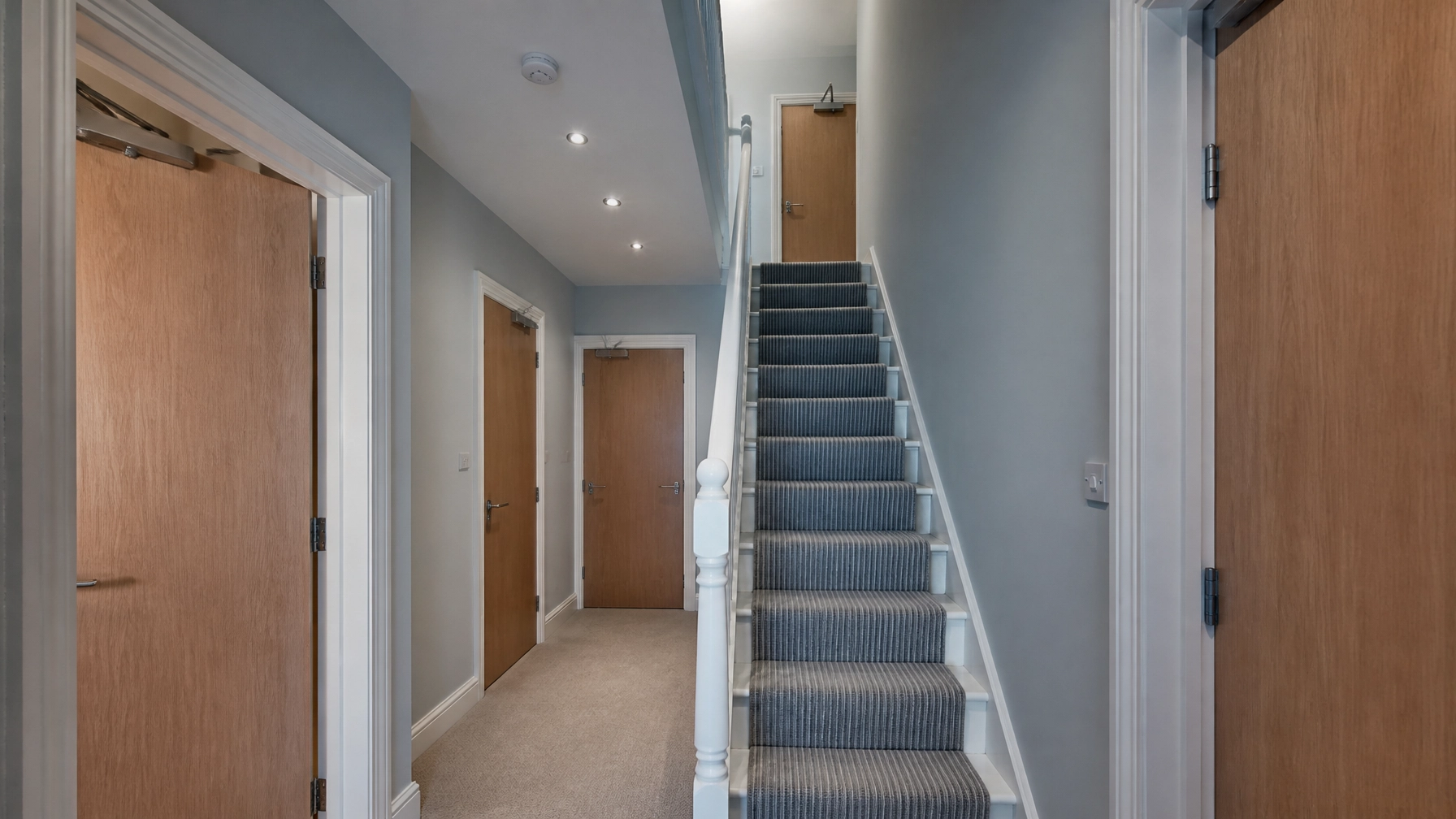
GET A FREE QUOTE A missing or unsuitable fire door can raise sensible questions during a house sale. It can also prompt checks around building insurance, mortgage approval and the safety of the escape route. For homeowners, sellers, landlords and property investors in Kent, particularly Royal Tunbridge Wells, these questions often arise after a loft…
-
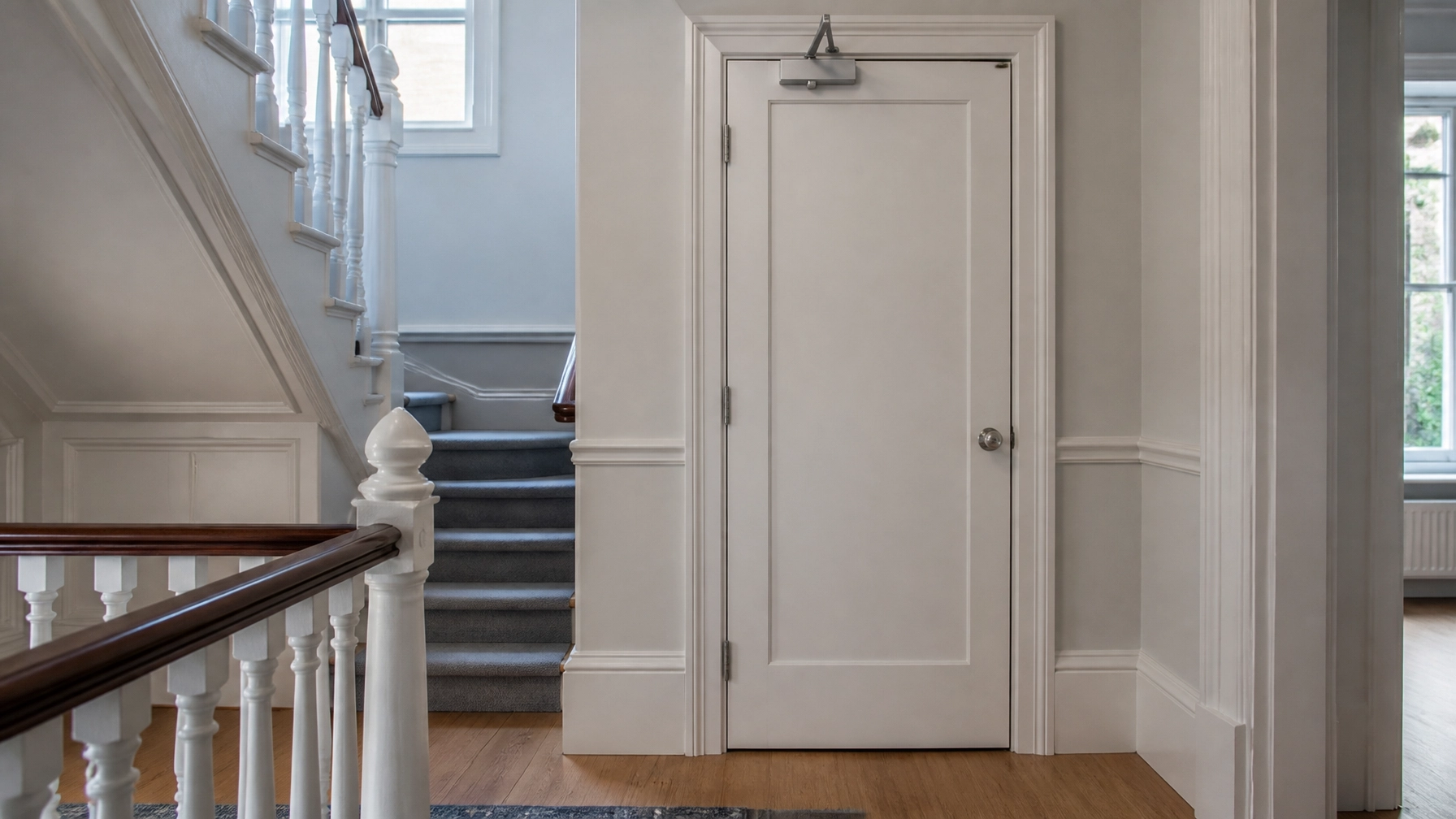
Day 3 of our seven-day conveyancing fire-door series. A missing or poorly fitted fire door can create a conveyancing query that may need further evidence. A buyer’s surveyor, mortgage lender or solicitor may ask for clarification before exchange or completion. If the issue affects a loft conversion, third-storey bedroom, integral garage, flat entrance or HMO…